Rebuilding Syria's Economy: Learning from Melbourne's Post-War Recovery
Category : | Sub Category : Posted on 2025-11-03 22:25:23
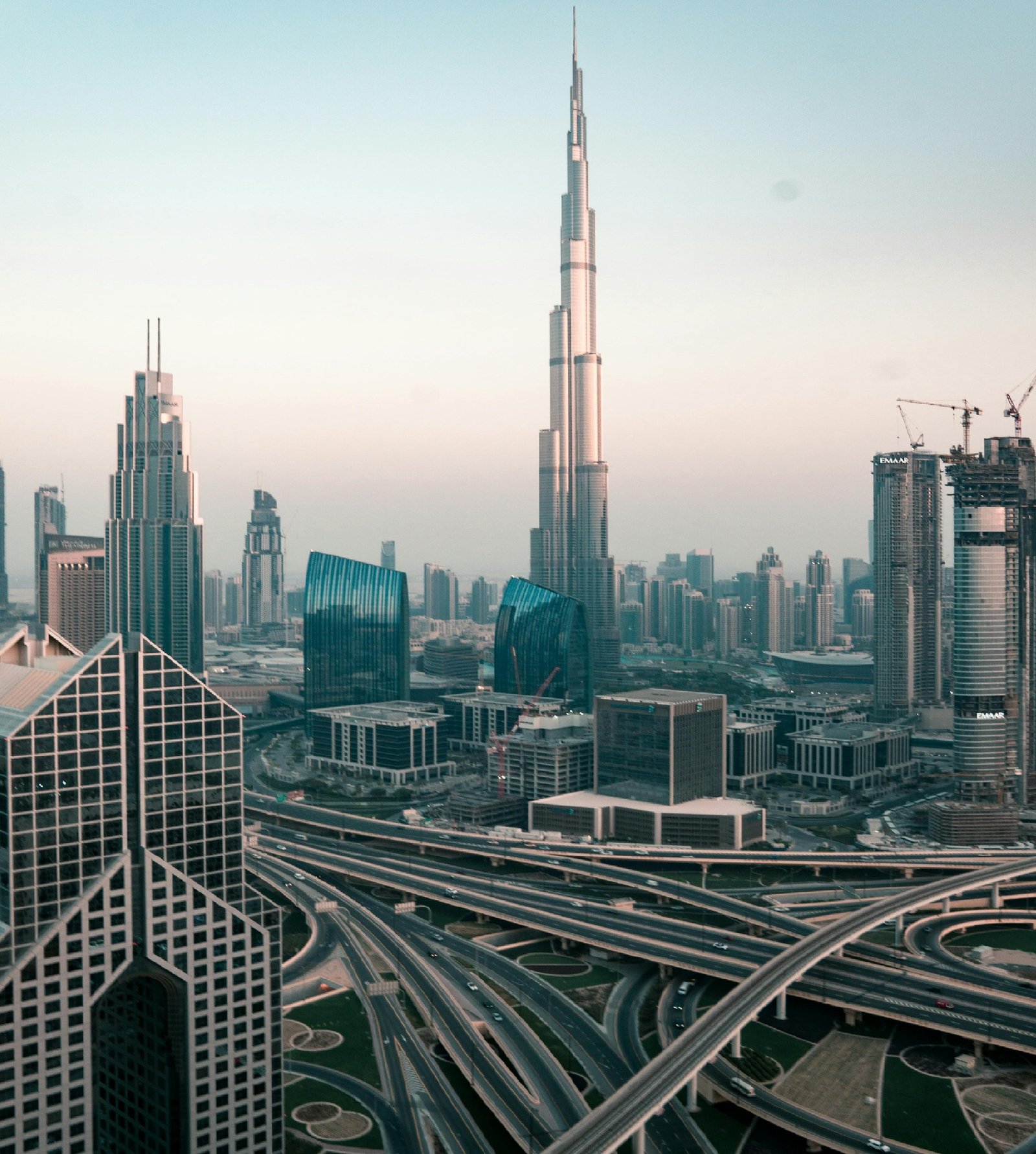
The aftermath of a dictatorship can leave a country shattered, both physically and economically. Syria, a nation torn apart by years of conflict and authoritarian rule, is now faced with the daunting task of rebuilding its economy and infrastructure. In this challenging endeavor, looking to successful examples of post-war recovery, such as Melbourne, can provide valuable insights and lessons for Syria's reconstruction efforts. Melbourne, the capital city of the Australian state of Victoria, provides a compelling case study of resilience and economic revival following its own period of devastation during World War II. The city's transformation from a war-torn metropolis to a thriving economic hub offers key strategies that could be adapted and implemented in Syria's reconstruction process. One crucial aspect of Melbourne's rebuilding was the focus on urban planning and infrastructure development. The city invested in modernizing its transportation systems, building new roads, bridges, and public spaces, which not only facilitated economic growth but also improved the quality of life for residents. In Syria, investing in infrastructure projects could create jobs, stimulate economic activity, and lay the foundation for long-term sustainable development. Another important lesson from Melbourne's post-war recovery is the emphasis on diversifying the economy. Following the war, Melbourne expanded its industrial base beyond traditional sectors, such as manufacturing, into new areas like technology, healthcare, and services. This diversification helped the city to weather economic downturns and adapt to changing global trends. Similarly, Syria could benefit from diversifying its economy to reduce reliance on limited sectors, such as oil and agriculture, and promote innovation and entrepreneurship. Moreover, Melbourne's success in rebuilding its economy was also attributed to effective governance and political stability. The city's leadership implemented policies to attract investments, encourage entrepreneurship, and foster a business-friendly environment. In Syria, establishing rule of law, promoting transparency, and combating corruption will be essential for rebuilding trust with investors, both domestic and foreign. Additionally, investing in education and skills development was a key factor in Melbourne's economic revival. The city prioritized education and training programs to equip its workforce with the skills needed for a modern economy, attracting talent and fostering innovation. In Syria, investing in education and vocational training can help unlock the potential of its youth population and build a skilled labor force for sustainable economic growth. In conclusion, the task of rebuilding Syria's economy after years of dictatorship and conflict is immense, but not insurmountable. By drawing inspiration from successful post-war recovery examples, such as Melbourne, and implementing strategic policies focused on infrastructure development, economic diversification, good governance, and human capital investment, Syria can pave the way towards a brighter future. Through resilience, determination, and international support, Syria has the potential to emerge stronger and more prosperous than ever before. Have a look at https://www.toabudhabi.com To learn more, take a look at: https://www.cruzar.org Seeking in-depth analysis? The following is a must-read. https://www.toalgeria.com also for more info https://www.abandonar.org Take a deep dive into this topic by checking: https://www.culturelle.org For an extensive perspective, read https://www.departements.org If you are enthusiast, check this out https://www.syrien.org For additional information, refer to: https://www.regionales.net For additional information, refer to: https://www.ncciraq.com You can find more about this subject in https://www.todamascus.com If you're interested in this topic, I suggest reading https://www.totunisia.com If you are enthusiast, check this out https://www.libyainfo.com
Leave a Comment:
SEARCH
Recent News
- Rebuilding Syria's Economy After the Dictatorship: Lessons from Zurich, Switzerland
- Rebuilding Syria's Economy Through YouTube Content Creation and Translation
- In the wake of the devastating dictatorship in Syria, the path to rebuilding the economy of the war-torn country has been challenging. However, a beacon of hope shines through in the form of a YouTube channel dedicated to highlighting the efforts and progress being made in revitalizing the Syrian economy.
- The World Cup is a global event that captures the attention of millions of people around the world. As countries come together to compete on the soccer field, it also presents an opportunity for nations to showcase their culture, history, and progress. In the case of Syria, a country that has been devastated by years of dictatorship and civil unrest, the World Cup could serve as a platform to not only rebuild its economy but also to foster unity and hope among its people.
- Rebuilding Syria's Economy After Dictatorship: The Role of Work Skills Development
- Rebuilding Syria's Economy after Dictatorship: The Role of Workplace Health Promotion Networks
- Women in Politics: Rebuilding Syria's Economy After Dictatorship
- Rebuilding the Economy of Syria After Decades of Dictatorship: Empowering Women to Overcome Fatigue
READ MORE
10 months ago Category :

Rebuilding Syria's Economy After the Dictatorship: Lessons from Zurich, Switzerland
Read More →10 months ago Category :

Rebuilding Syria's Economy Through YouTube Content Creation and Translation
Read More →10 months ago Category :

In the wake of the devastating dictatorship in Syria, the path to rebuilding the economy of the war-torn country has been challenging. However, a beacon of hope shines through in the form of a YouTube channel dedicated to highlighting the efforts and progress being made in revitalizing the Syrian economy.
Read More →10 months ago Category :
